Nothing here yet.
Buying from Sentient Spaces
These terms govern every order placed through sentientspaces.design. Placing an order is an offer to buy; the sale is complete when Sentient Spaces confirms it by email. Prices are shown in the currency displayed at checkout and include applicable tax where required. Sentient Spaces may decline or cancel an order and refund it in full, for example where a piece has been damaged in the kiln or is no longer available.
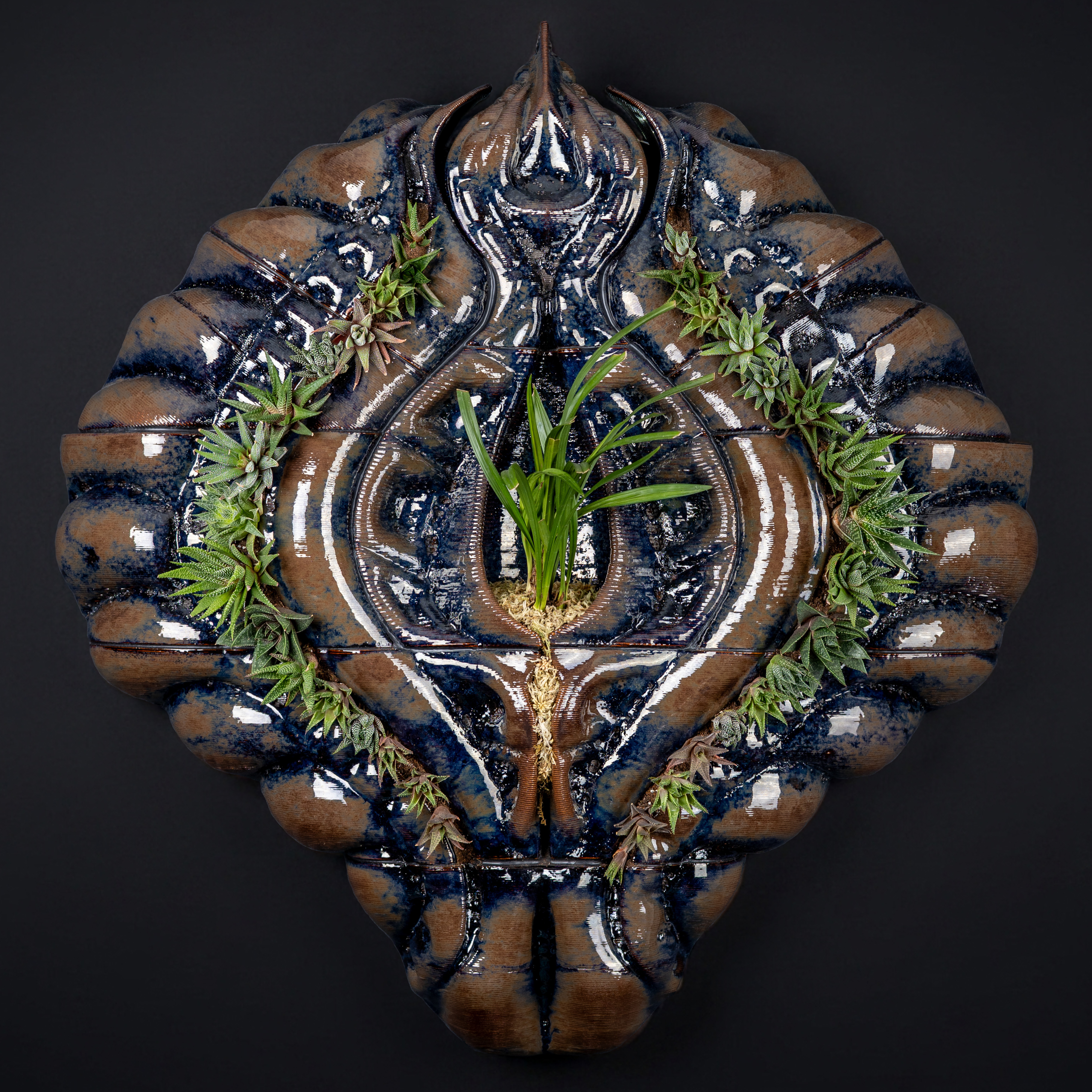
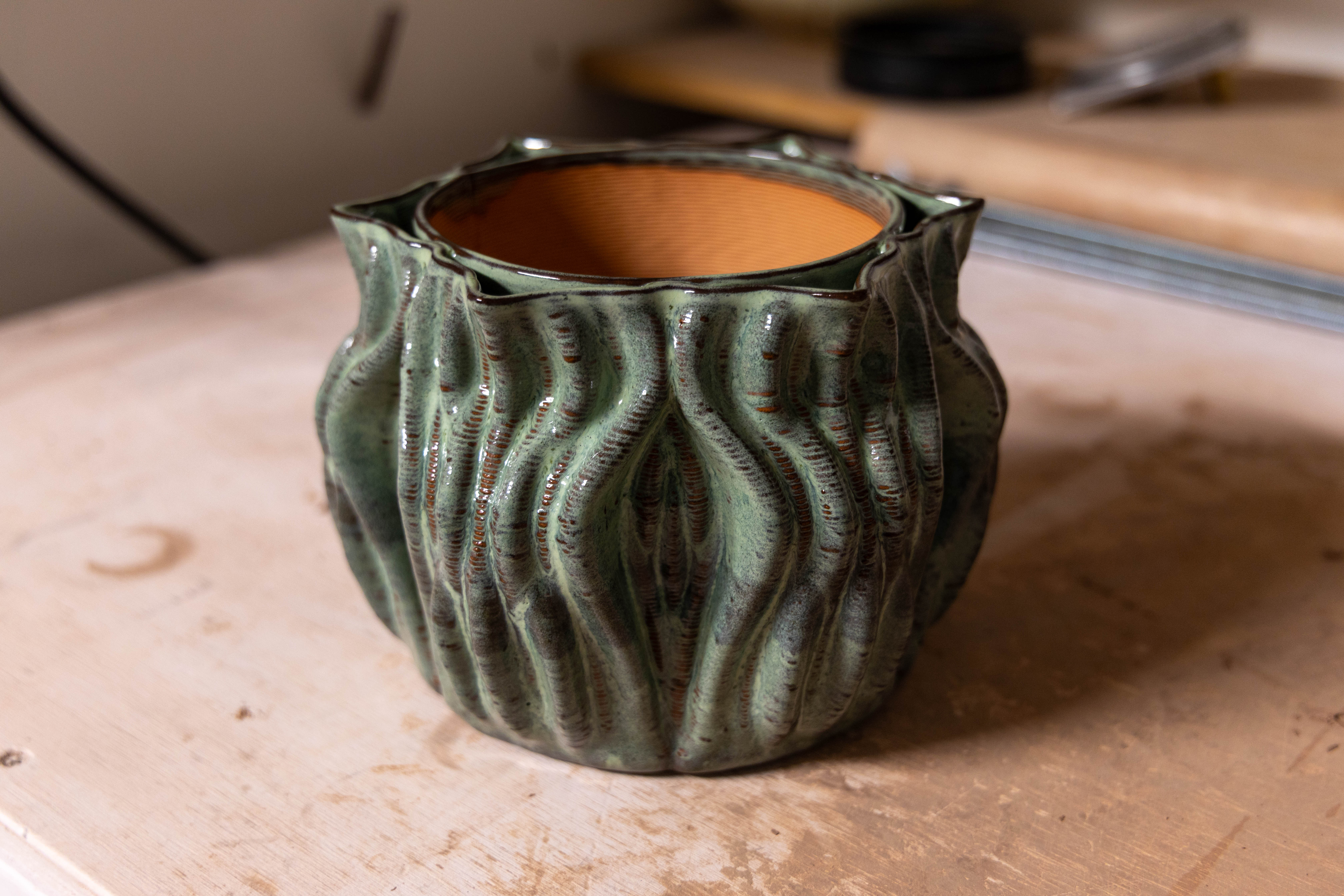
Each piece is made to order or made in a small run, so the photographs on this site show the run rather than the exact object shipped. Where a piece is one of an edition, the edition size is stated on its panel.
Title and risk pass to the buyer on delivery. Nothing in these terms limits liability for death, personal injury, or fraud, or affects a consumer's statutory rights. These terms are governed by the law of England and Wales.
Pieces are packed by hand and dispatched within 5–10 working days of an order being confirmed, unless the piece's panel states a longer lead time. A tracking number follows dispatch by email.
Shipping is charged at checkout and calculated from the destination and the piece's crated weight. International orders may attract import duty, VAT, or customs handling fees on arrival; these are set by the destination country and are the buyer's responsibility.
Ceramic and printed work is fragile. If a piece arrives damaged, keep the packaging and send photographs of the box and the piece to hello@sentientspaces.design within 7 days of delivery. Damage in transit is replaced or refunded in full, including shipping.
Buyers in the UK and EU may cancel an order within 14 days of receiving it, for any reason. Write to hello@sentientspaces.design to start a return; pieces must come back in their original packaging and in the condition they arrived. Return postage is the buyer's unless the piece was damaged, faulty, or not as described.
Refunds are issued to the original payment method within 14 days of the piece arriving back, or of proof of return, whichever is sooner.
Commissioned and made-to-order pieces are exempt from the cancellation window once making has begun, since they cannot be resold. Faulty or misdescribed commissions are still refundable.
Commissions begin with a conversation about scale, form, finish, and site. A written brief and a fee follow, and making starts once the brief is agreed and a non-refundable deposit of 50% is paid. The balance falls due on completion, before dispatch or installation.
The brief sets the number of revisions included and the delivery window. Material and firing behaviour set limits on what can be promised: dimensions are quoted with a tolerance, and glaze results are described rather than guaranteed to a sample.
Sentient Spaces retains copyright, and the right to photograph and exhibit the finished piece, unless the brief says otherwise. Either party may end a commission in writing; work completed to that point is invoiced and the deposit is retained.
Last updated 27 October 2026 · questions to hello@sentientspaces.design
What this site collects
Sentient Spaces collects only what is needed to answer an enquiry and fulfil an order: name, email address, delivery address, and the contents of what you write. Payment card details are never seen or stored by this site — they go directly to the payment processor.
Data is shared with the parties that make an order work: the payment processor, the shipping carrier, the hosting provider, and, if you have subscribed, the mailing list provider. It is never sold and never used for advertising.
Order records are kept for six years, as tax law requires. Enquiries that do not become orders are deleted after two years. Mailing list subscriptions are kept until you unsubscribe.
You may ask what is held about you, ask for it to be corrected, ask for it to be deleted, or object to its use. Write to hello@sentientspaces.design and it will be handled within one month.
This site sets a small number of cookies. Some are necessary: they keep a session open, remember what is in a cart, and let the entry gate know it has already been shown. These cannot be turned off without breaking the site.
Any analytics or embedded media (for example a video player on a talk) may set its own cookies once you interact with it. No advertising or cross-site tracking cookies are used.
Cookies can be blocked or cleared in your browser's settings. Blocking the necessary ones will stop the cart working.
Last updated 27 October 2026 · questions to hello@sentientspaces.design
Copyright and what to expect
© 2026 Sentient Spaces. All rights reserved.
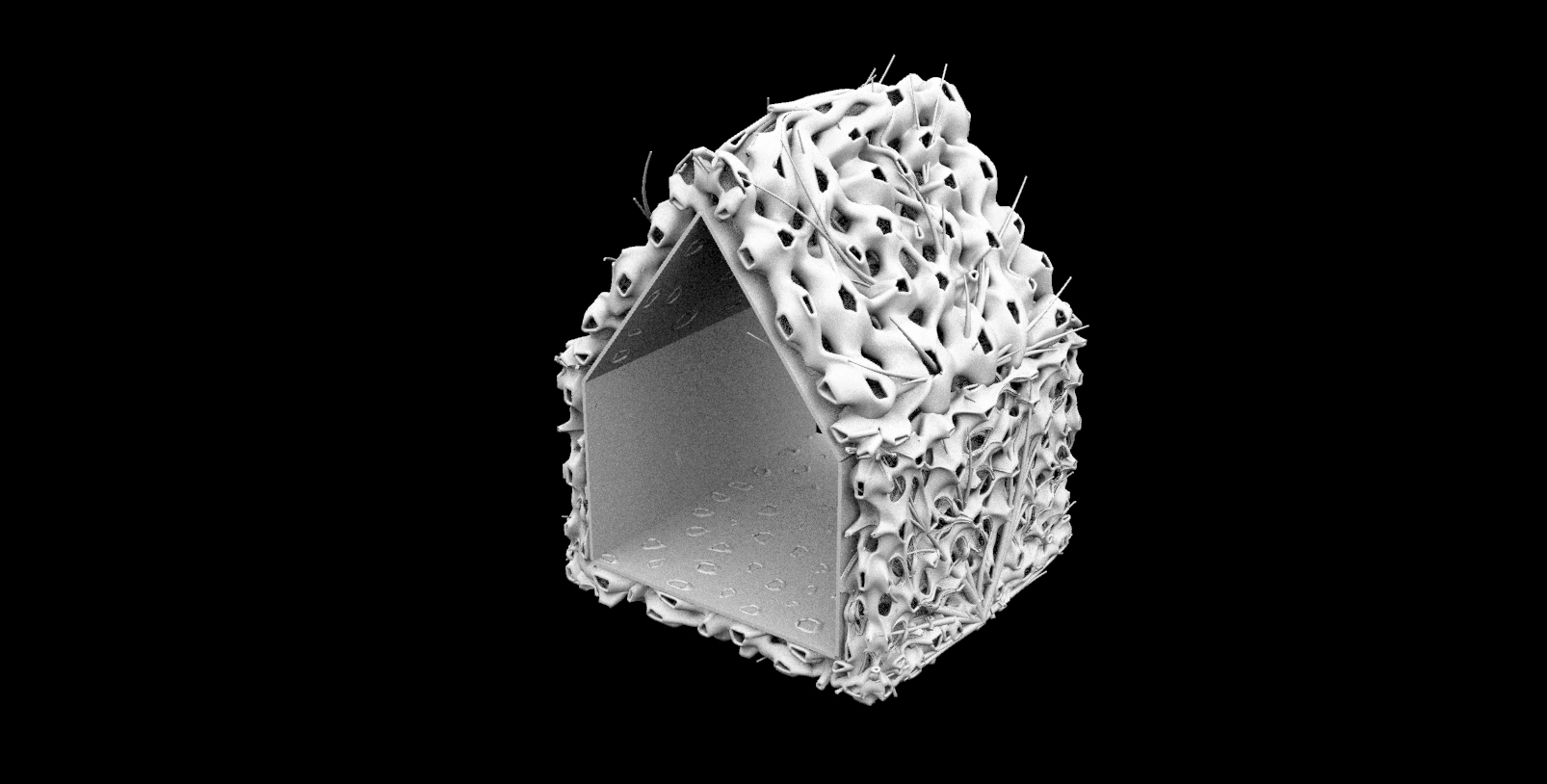
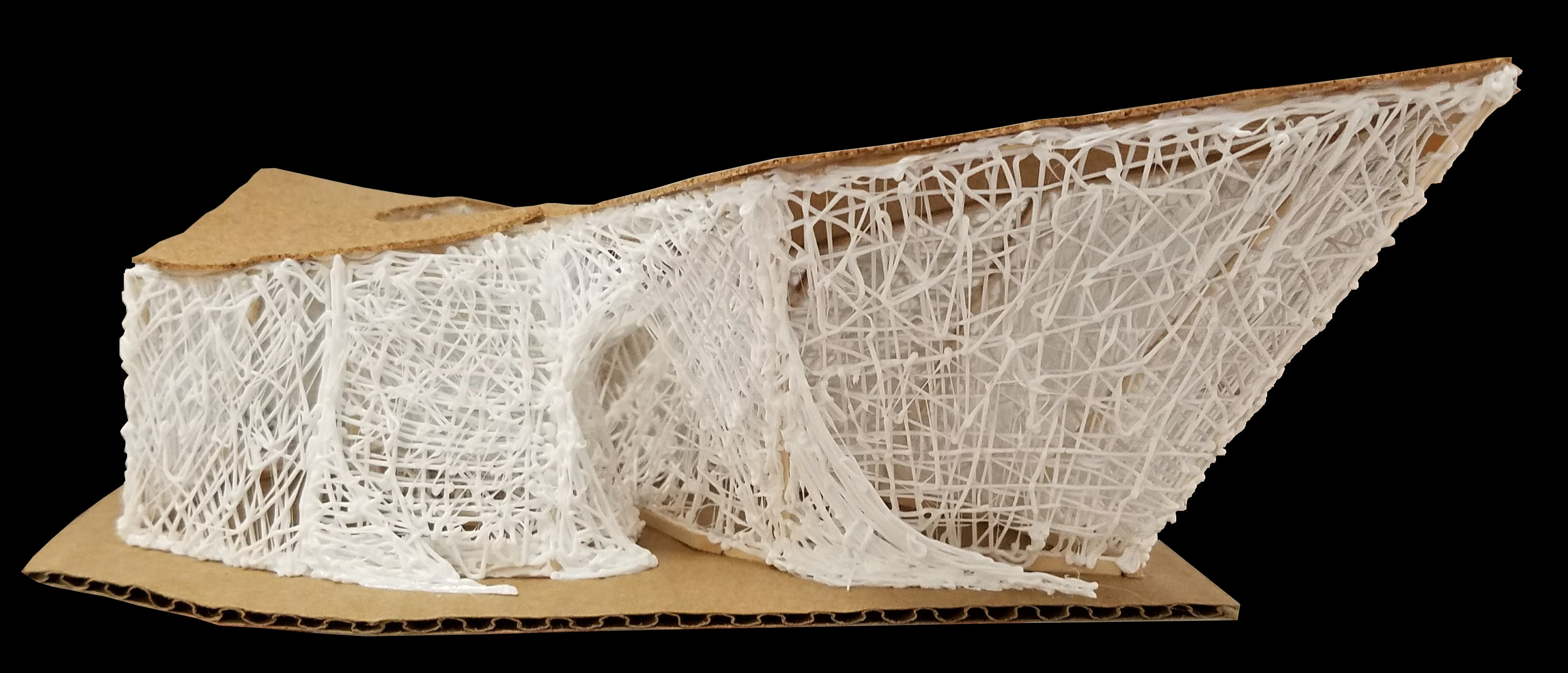
The sculptures, objects, and digital models shown here, together with the photographs, drawings, text, and the design of this site, are the work of Sentient Spaces and are protected by copyright. Buying a piece transfers the object, not the copyright in it or in the model it was made from.
Images may be reposted for editorial or personal, non-commercial use with a credit and a link back. Reproducing the work, reselling the images, printing the models, or training a machine-learning system on any of it requires written permission. Requests go to hello@sentientspaces.design.
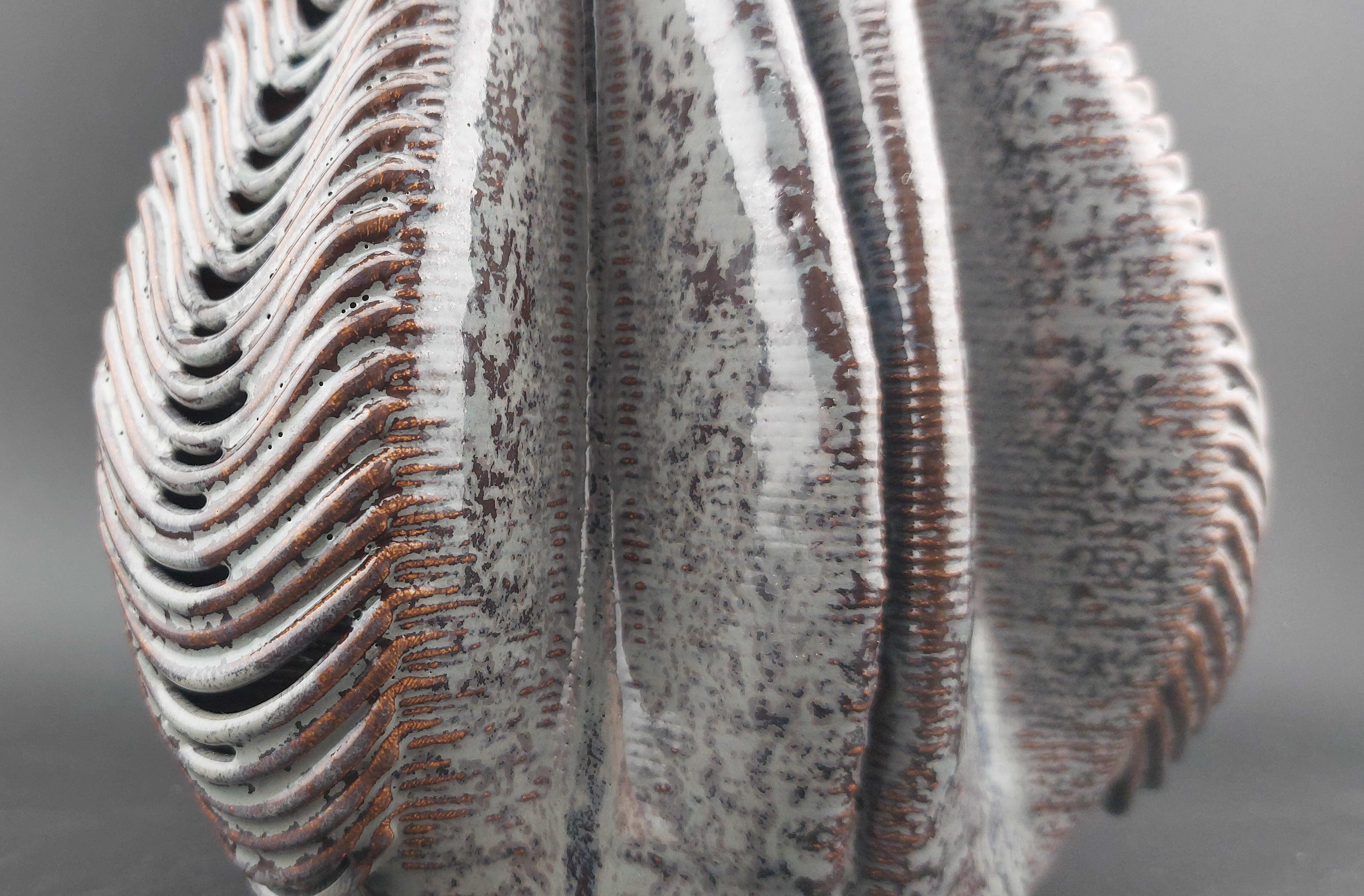
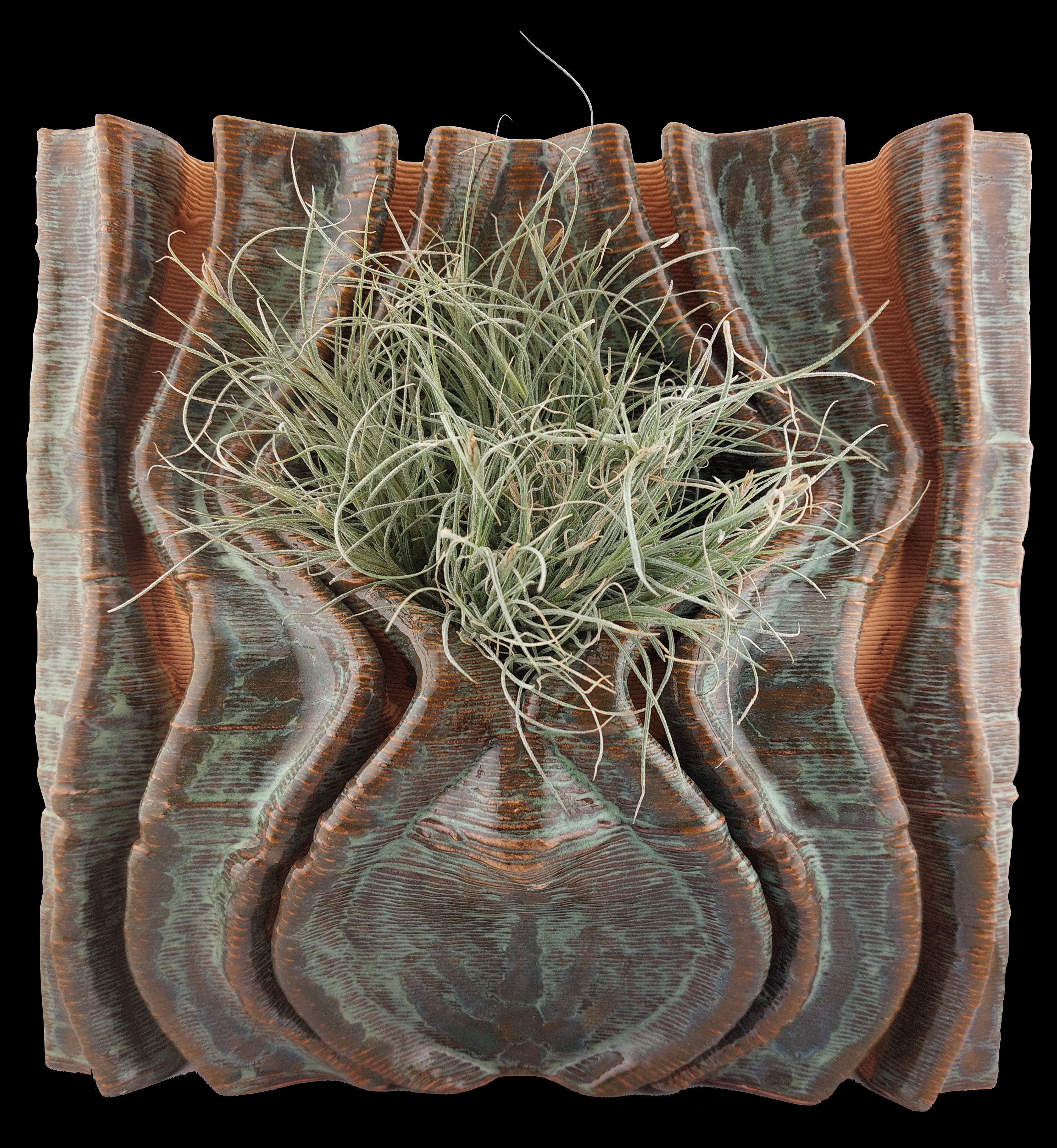
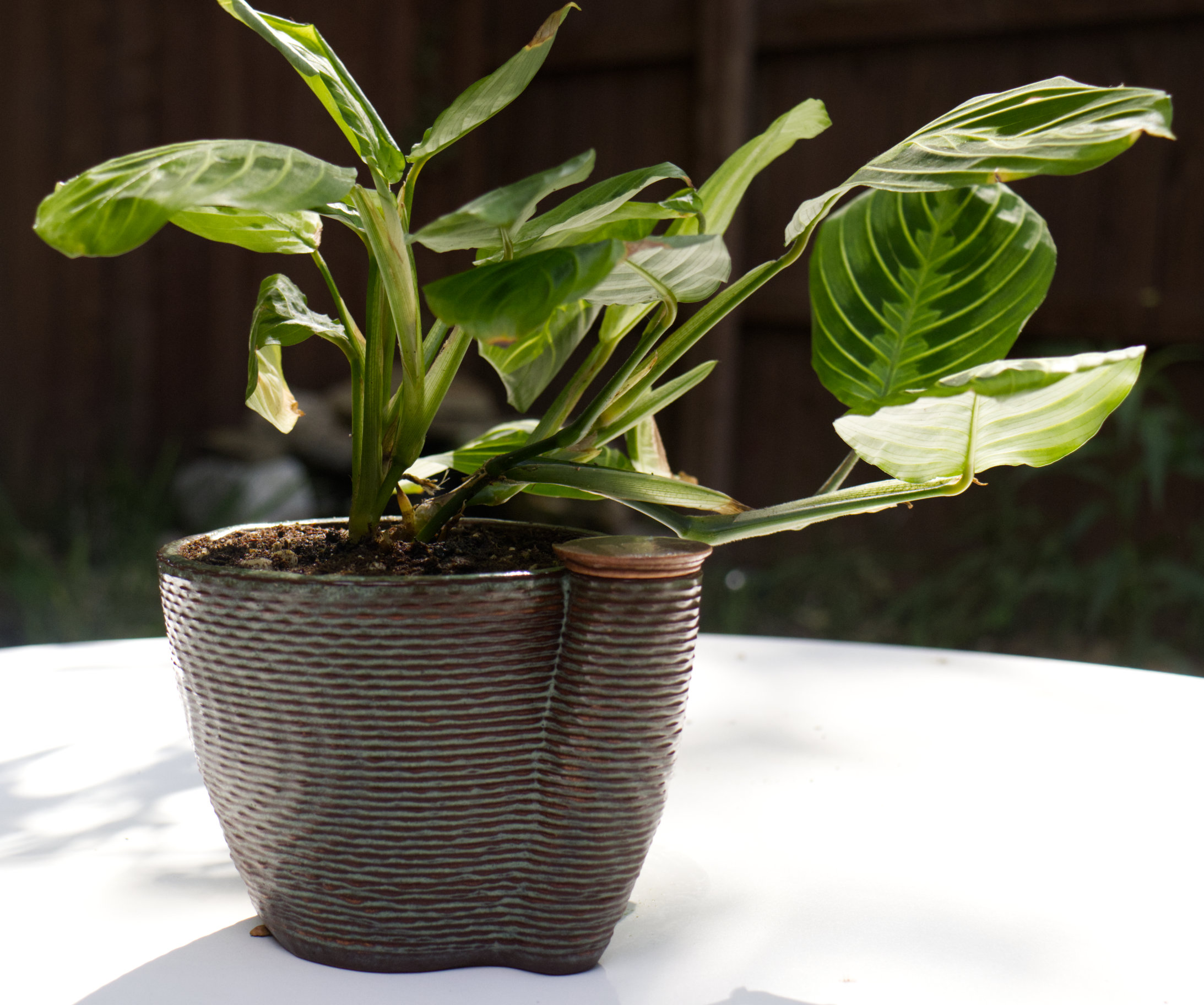
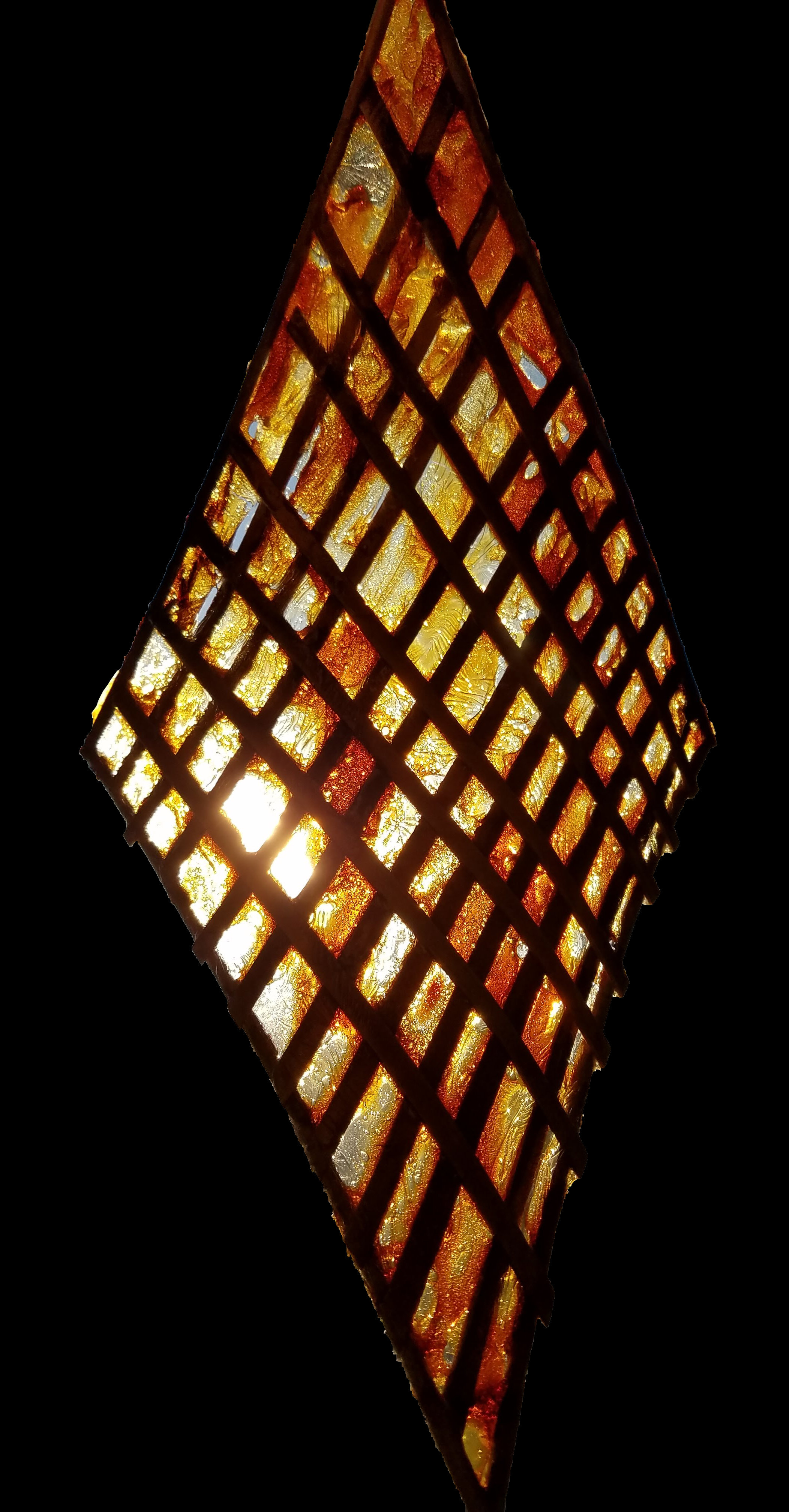
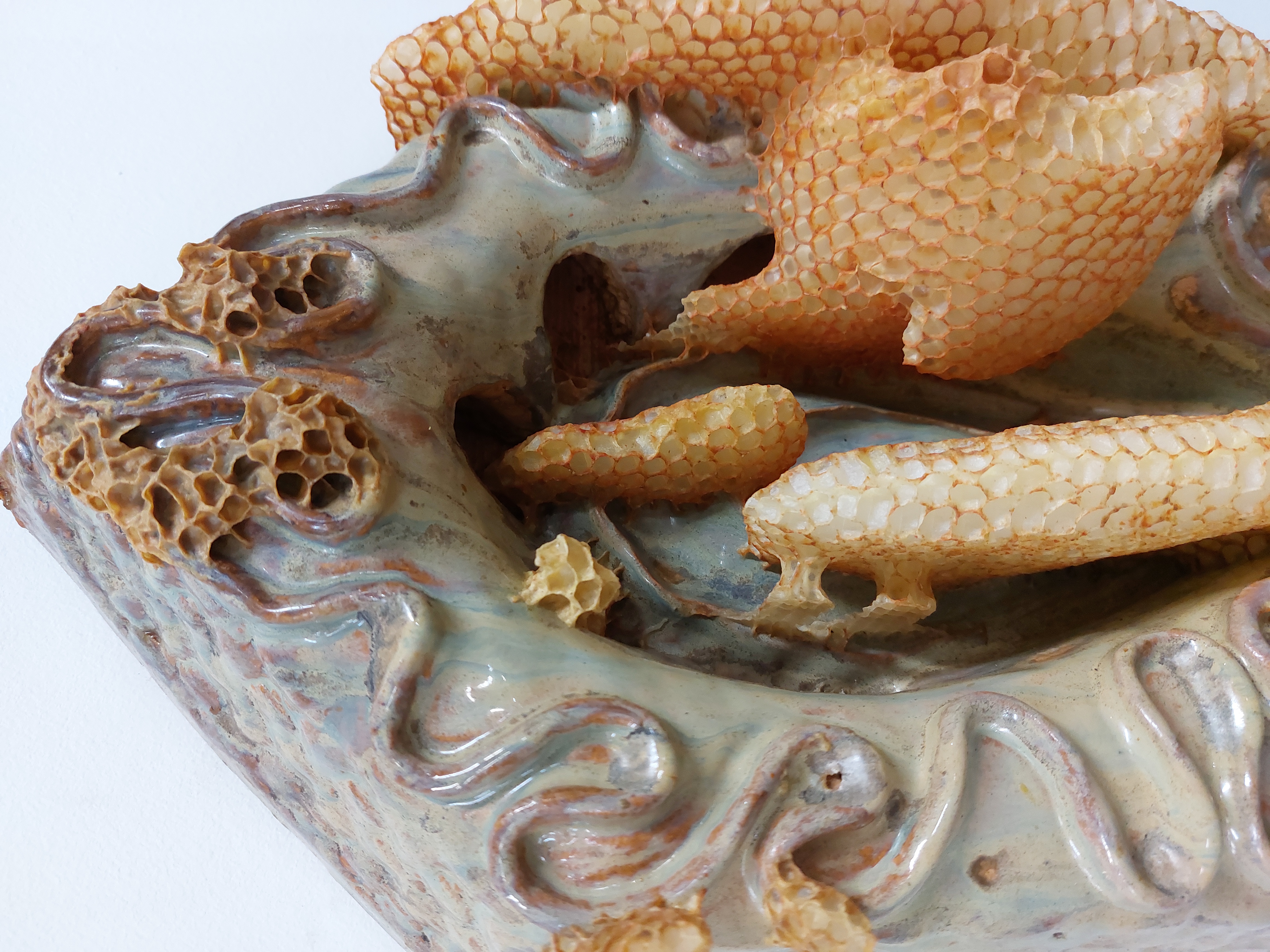
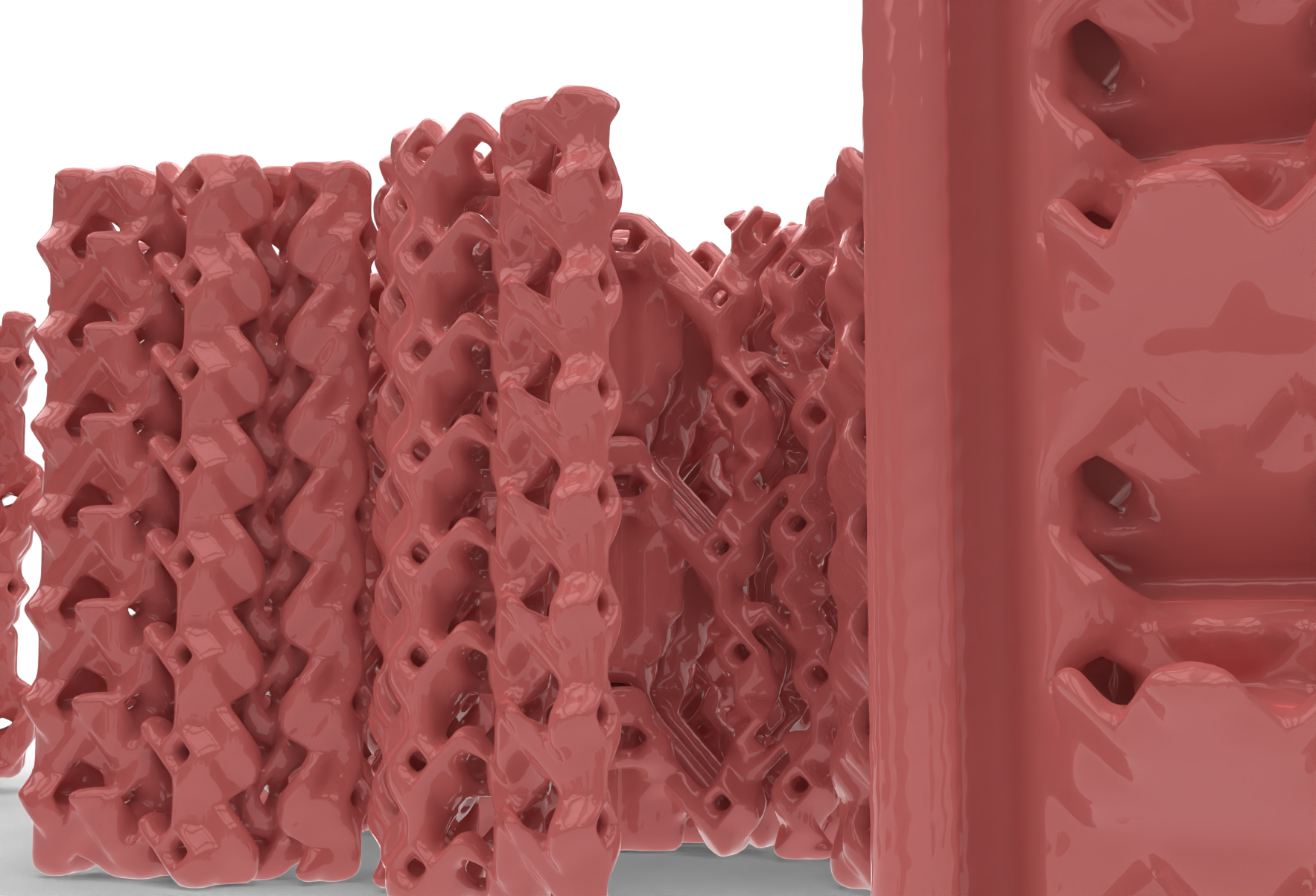
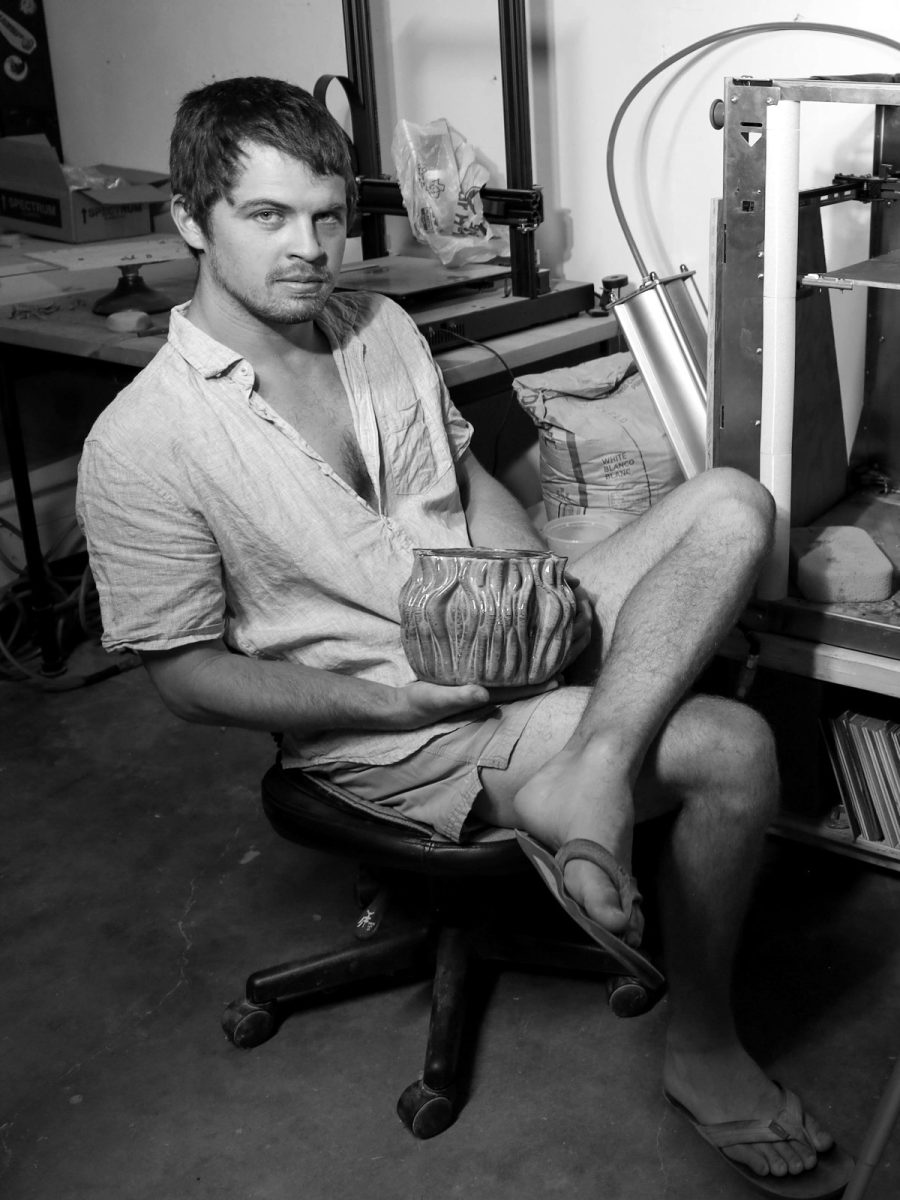
Every piece is made by hand from 3D-printed forms, then glazed and fired. Colour, surface, crazing, and the exact run of a seam vary from piece to piece and from a photograph. Two pieces from the same run will not match, and a piece will not match its photograph exactly. That variation is the material behaving as it does, not a fault.
Dimensions are given to the nearest 5mm; clay shrinks unevenly in the kiln. Weights are approximate.
Unless a piece's panel says otherwise, treat the work as decorative: not food-safe, not watertight, not for outdoor use, and not dishwasher or microwave safe. Clean with a dry or barely damp cloth.
Last updated 27 October 2026 · questions to hello@sentientspaces.design